 Sleeping Too Hot
 in Winter? Why It Happens Once the Heat Comes On
By the Good Sleep team · October 29, 2026
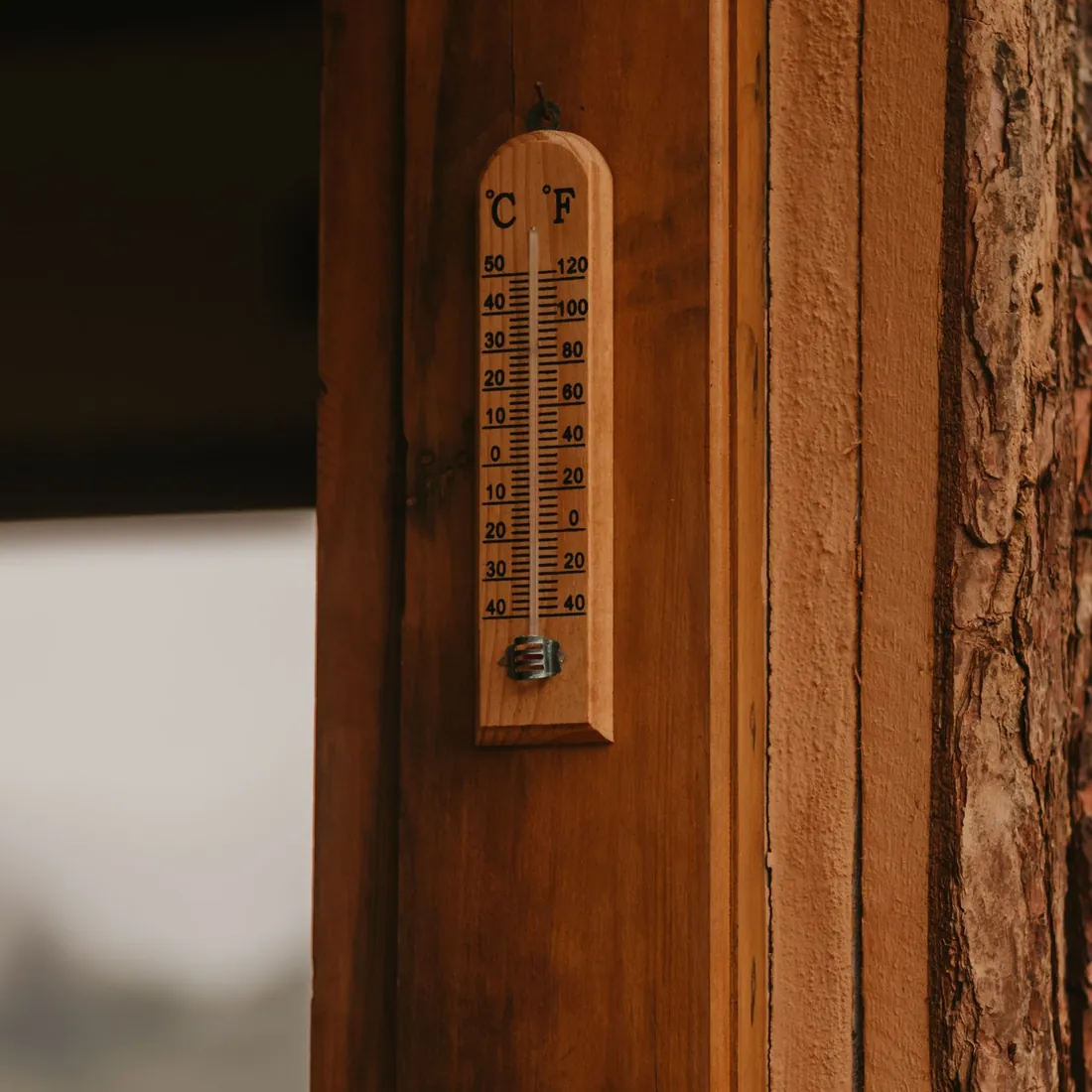
It seems backward: all summer you blamed the heat, and now it's cold outside and you're still kicking off the covers. That's one of the most common winter sleep complaints, and it has a short list of causes.
The winter heat traps
- No nighttime setback. A thermostat set for a cozy evening keeps the bedroom warm all night. Cleveland Clinic suggests roughly 60 to 67°F for sleep.
- Heat rises. Upstairs bedrooms can run several degrees warmer than the room with the thermostat in it.
- A vent aimed at the bed. Warm, dry air blowing across your side all night adds up.
- Layer creep. The winter duvet comes out, then a throw, then flannel sheets and fleece pajamas. Each one is fine; all of them together aren't.
- An electric blanket left on high. Great for getting into bed, too much at 3 a.m.
- Bodies. A partner, a child who wanders in, or a dog at your feet all give off heat.
Warm to get in, cooler to stay asleep
Your body sheds heat as you fall asleep and stays cooler through the night, so the ideal winter bed is warm when you climb in and gentler after that. If you use an electric blanket or heated pad, follow its instructions and use the timer or a lower setting once you're in bed rather than leaving it on high.
A water-based system works differently: it holds the temperature you set all night. Good Sleep's topper heats up to 110°F and reaches your setting in about 15 minutes, and Good Sleep suggests about 82°F as a starting point for cold sleepers. Because it holds steady instead of ramping down, pick a moderate setting rather than the warmest one. On a King, each side can be set separately.
Fixes, from free to small spends
- Program a setback so the bedroom drops into the 60s an hour before bed.
- Close or redirect the vent nearest the bed, if your system allows it.
- Two light layers instead of one heavy one, so you can drop one without waking fully.
- Breathable fabrics. Cotton, linen and wool let moisture escape; polyester fleece traps it.
- Warm feet, cooler body. Socks let a cold sleeper skip the extra blanket.
- Separate covers if one of you runs hot and the other cold.
Good Sleep has a clear explainer at trygoodsleep.com on when to change the room and when to change the bed, and this piece lays out what the research says about bedroom temperature.
When to see a doctor
If you've cooled the room and lightened the bed and you're still waking up drenched, or the sweating comes with fever, weight loss, a cough or pain, see a doctor, as Mayo Clinic and Cleveland Clinic advise. Hot flashes that wake you most nights are also worth raising, because effective treatments exist.